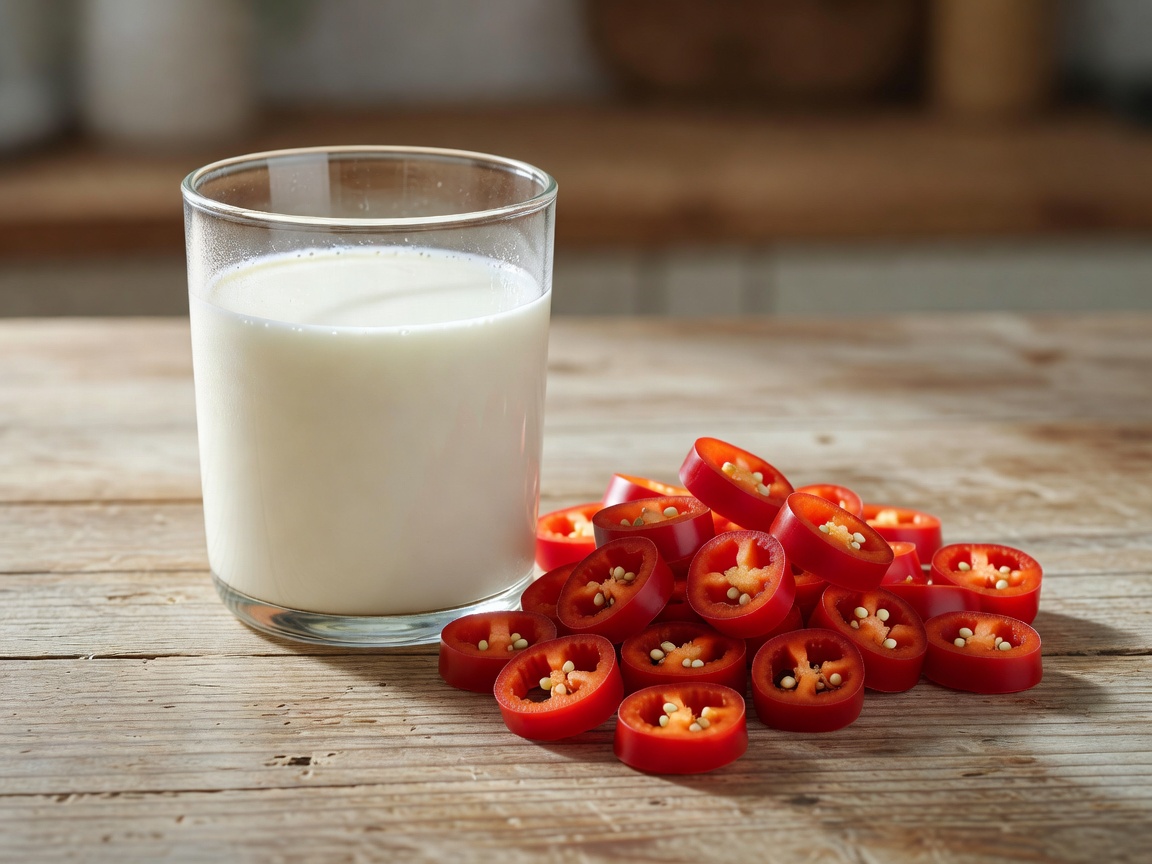
The Hydrophobic Nature of Capsaicin
Capsaicin (8-methyl-N-vanillyl-6-nonenamide) is an organic, non-polar lipophilic alkaloid. Because of its hydrocarbon tail structure, capsaicin does not dissolve in polar liquids like water. When capsaicin binds to the TRPV1 ion channels located on epithelial nerve endings in the tongue and throat, it establishes a tight hydrophobic bond that triggers persistent action potentials sent to the brain.
Why Cold Water Amplifies the Fire
Reaching for a glass of ice water during severe spicy food consumption is one of the most common mistakes diners make. Polar water molecules cannot break the non-polar chemical bond between capsaicin and human nerve receptors. Instead, drinking water acts like pouring water on a grease fire: it washes insoluble capsaicin oil droplets across a broader surface area of oral mucous membranes, engaging unexposed TRPV1 receptors and exacerbating the burning sensation.
The Casein Detergent Effect
Dairy products—specifically whole milk, yogurt, sour cream, and ice cream—contain high concentrations of casein, a family of phosphoproteins that form complex spherical structures known as micelles. Casein molecules possess both hydrophobic (water-repelling) and hydrophilic (water-attracting) domains, giving them natural surfactant properties akin to dish soap.
When casein comes into contact with capsaicin, its hydrophobic regions surround and encapsulate the non-polar capsaicin molecules, pulling them away from the TRPV1 receptor binding sites. Once encapsulated inside casein micelles, the capsaicin is suspended in liquid and easily swallowed, providing immediate, structural physiological relief.
Evaluating Alternative Neutralizing Compounds
While dairy casein is the gold standard for neutralizing capsaicin, other culinary agents interact with capsaicin via alternative biochemical pathways:
Lipids & Fats: High-fat plant oils (coconut oil, sesame oil, butter) dissolve lipophilic capsaicin through simple lipid solvent extraction, though lacking casein's specific micellar encapsulation power.
Ethanol (Alcohol): Capsaicin is highly soluble in alcohol, but low-proof beverages like beer (4–6% ABV) contain too much water to be effective. High-proof spirits (above 40% ABV) dissolve capsaicin but can exacerbate thermal inflammation in high concentrations.
Sucrose & Sugars: Concentrated sugar solutions or honey interact with gustatory taste buds, sending competing neural signals to the brain's somatosensory cortex that temporarily suppress sensory pain perception.